
Casino Compliance Review
Britsino Casino Review 2026: Bonuses, Licence, RTP, and What UK Players Should Know
 Available in GB
By iGaming Compliance Analyst

Overall Rating
6.4 / 10 (Casino.Guru Safety Index, retrieved June 2026)
Welcome Bonus
Up to £2,200 + Free Spins across four deposits
Wagering Requirement
x40 on bonus amount
Licence
Disputed: reported as Curaçao or Costa Rica depending on source; no UKGC licence
Game Library
6,000+ titles from 50+ providers
Minimum Deposit
£20
Britsino Casino sits in a peculiar corner of the UK gambling landscape. It is an offshore operator marketing itself to British players while holding no UK Gambling Commission licence — a detail that separates it from every regulated brand you will find on a UKGC-approved list. I have spent seven years auditing casino licence documentation, dissecting bonus terms, and cross-referencing RTP claims against independent test data, and Britsino is exactly the kind of operator that demands the sort of scrutiny most review sites skip.
The UK online gambling market reached $9.0 billion in 2025 and is projected to grow to $13.2 billion by 2034 at a compound annual growth rate of 4.21%. Within that market, 13.4 million active online gambling accounts were registered in the first quarter of 2026 alone. These are not abstract numbers — they describe the environment in which operators like Britsino compete for attention, and in which players make real decisions about where to deposit real money.
Most Britsino Casino reviews online read like repackaged marketing copy: the bonus is “generous,” the game library is “impressive,” the support is “responsive.” What none of them provide is the regulatory data, the market context, or the statistical framework to evaluate those claims. This review does something different. Every section that follows is built on first-party data from the UK Gambling Commission, industry reports, and regulatory filings — not on operator press releases. I am not here to tell you whether to play at Britsino. I am here to give you the information you need to make that decision with your eyes open.
Table of Contents
- What Seven Years of Licence Audits Taught Us About Britsino
- The UK iGaming Market in 2026: Where Britsino Casino Fits
- Britsino Casino Licence: Curaçao, Costa Rica, or Neither?
- Welcome Bonus Breakdown: £2,200 Offer and Wagering Reality
- 6,000+ Games: Slot Selection, Live Dealers, and RTP Ranges
- Payment Methods: Fiat, Crypto, and Withdrawal Timelines
- VIP Programme and Cashback: Loyalty Tiers Explained
- Mobile Experience: Browser Play vs. Downloadable App
- Customer Support: Live Chat, Email, and Response Quality
- Responsible Gambling at Britsino: Tools, Limits, and the Bigger Picture
- Non-GamStop Casinos and the £16.6 Billion Black Market
- Final Verdict: Who Should — and Should Not — Play at Britsino
- Frequently Asked Questions About Britsino Casino
What Seven Years of Licence Audits Taught Us About Britsino
- Britsino Casino operates without a UKGC licence. Its licensing jurisdiction is reported inconsistently in public sources — recent specialist reviews describe the operator as Costa Rica registered (under Affnoir Partners, launched December 2025), while some directories list Curaçao. The operator’s own terms reference both, which is itself a red flag. Britsino currently scores 6.4/10 on the Casino.Guru Safety Index (retrieved June 2026), classified as Below Average.
- The £2,200 welcome bonus carries x40 wagering: at standard 96% RTP, the expected cost of clearing the bonus typically exceeds the bonus value itself.
- UK online gambling generated £1.55 billion in GGY in Q1 2026, but the unlicensed market hit £16.6 billion in 2025 — Britsino operates within that parallel, unregulated segment.
- No GamStop coverage, no IBAS dispute resolution, no mandatory player-fund segregation — every freedom from UKGC restrictions is also the absence of a safeguard.
- 2.7% of UK adults are classified as problem gamblers, and NHS addiction referrals have doubled — Britsino’s responsible gambling tools exist but carry no regulatory enforcement.
The UK iGaming Market in 2026: Where Britsino Casino Fits
Three years ago, a compliance officer at a mid-sized UKGC-licensed operator told me something that stuck: “We are not competing with other licensed casinos anymore. We are competing with everyone who does not have to follow our rules.” That observation has only become sharper since.
The UK accounts for 9.4% of global online gambling revenue — a remarkable concentration for a country of 67 million people. Online gambling Gross Gaming Yield for the first quarter of 2026 hit £1.55 billion, a 7% year-on-year increase, with online slots alone generating £773 million in the same period — up 12% from the year before. The number of slot spins grew 7% year-on-year to 25.1 billion in Q1 2026 (January – March), per UK Gambling Commission operator data. The total GGY of the British gambling industry sat at approximately £16.8 billion in 2025. By any measure, this is a market that continues to expand.
UK online gambling generated £1.55 billion in Gross Gaming Yield during Q1 2026 alone — more than the GDP of several small nations, and 7% higher than the same quarter a year earlier.

GGY (Gross Gaming Yield) — the total amount retained by operators after paying out winnings. It is the industry’s standard revenue metric, distinct from total wagers placed or deposits made.
Yet the growth story has a subplot that matters enormously for understanding Britsino. In her Autumn Budget speech, Chancellor Rachel Reeves stated that online gambling produces “the highest levels of harm” and announced that Remote Gaming Duty would increase from 21% to 40% of Gross Gaming Revenue, effective 1 April 2026. That is not a marginal adjustment — it is a near-doubling of the tax burden on every UKGC-licensed operator. The immediate consequence is straightforward: licensed operators face compressed margins, and some of that pressure feeds through to players in the form of tighter bonus terms, lower maximum stakes, and more aggressive affordability checks.
Remote Gaming Duty is the tax that UKGC-licensed operators pay on their UK revenue. The increase from 21% to 40% — effective April 2026 — represents the single largest tax hike in UK gambling history. Offshore operators like Britsino, which do not hold UKGC licences, are not subject to this duty.

This is the macroeconomic context in which Britsino operates. It does not pay Remote Gaming Duty. It does not comply with UKGC stake limits. It does not participate in the GamStop self-exclusion scheme. For some players, that absence of regulation is a dealbreaker. For others — particularly those frustrated by affordability checks or stake caps — it is the entire point. Grand View Research projects the UK online gambling market to grow at a CAGR of 12.8% through 2030, and sports betting already accounts for 56.64% of the market by revenue. Within that expanding universe, the offshore segment occupies an increasingly visible, if legally ambiguous, position.
Understanding where Britsino sits in this landscape is not optional context — it is the foundation for every judgement that follows in this review. The operator exists because the gap between what regulated casinos offer and what some players want continues to widen. Whether that gap is a market opportunity or a regulatory failure depends on where you stand.
The market context explains why offshore operators attract UK players — but the licence itself determines what protections those players actually receive.
Britsino Casino Licence: Curaçao, Costa Rica, or Neither?
I have reviewed the licensing documentation — or rather, the absence of it — for more than two hundred offshore casinos targeting UK players. Britsino presents one of the more confusing cases I have encountered, because different sources cannot even agree on which jurisdiction issued its licence.
Britsino Casino does not hold a UK Gambling Commission licence. This means it is not authorised to offer gambling services to UK residents under the Gambling Act 2005. Players who use this site do so outside the protections of UK gambling law, including dispute resolution through IBAS and mandatory segregation of player funds.

Some review sites list Britsino as holding a Curaçao eGaming licence. Others cite Costa Rica. The operator’s own terms and conditions have, at various points, referenced both jurisdictions — a contradiction that no legitimate licensed operator should exhibit. Costa Rica does not actually issue gambling licences; it merely allows data-processing companies to operate from its territory. A “Costa Rica licence” is, in regulatory terms, meaningless. Curaçao, on the other hand, has historically operated a licensing framework, but one that was widely criticised for minimal oversight.
That framework changed fundamentally on 24 December 2024, when the Curaçao parliament passed the LOK reform (Landsverordening op de Kansspelen) by a vote of 13 to 6. The reform abolished the old master-licence system — under which a handful of holders sub-licensed hundreds of operators with minimal scrutiny — and replaced it with a single regulator, the Curaçao Gaming Authority (CGA). Since July 2025, the CGA has prohibited operators physically located on Curaçao from relying on foreign licences. Ivan Montik, founder of SOFTSWISS, captured the broader trajectory when he observed that “the crucial question is not whether regulation expands, but what kind it becomes.”
The Curaçao LOK reform replaced the master-licence model with a centralised regulator (CGA). Operators must now apply directly for individual licences, meet enhanced due-diligence requirements, and demonstrate player-protection standards. The transition period is ongoing, and it remains unclear whether all previously sub-licensed operators — including Britsino — have applied for or received new CGA authorisation.
Master licence — under the old Curaçao system, a small number of entities held “master” licences and could sub-license other operators, often with minimal vetting. The CGA reform eliminated this structure.
What does this mean in practical terms for a UK player considering Britsino? The absence of a UKGC licence removes several layers of protection that British players take for granted at regulated sites: independent dispute resolution, mandatory player-fund segregation, stake limits, affordability checks, and participation in the GamStop self-exclusion scheme. A deeper analysis of how Curaçao and UKGC regulatory frameworks compare — and what the licence gap means for your money specifically — is covered in the full licence analysis.
CGA (Curaçao Gaming Authority) — the new single regulatory body for gambling in Curaçao, established by the LOK reform of December 2024. It replaces the previous system of master-licence holders.
Welcome Bonus Breakdown: £2,200 Offer and Wagering Reality
Every casino bonus is, at its core, a maths problem dressed in marketing language. I have calculated the true cost of wagering requirements on hundreds of welcome offers, and the pattern is always the same: the headline number tells you almost nothing. What matters is the formula underneath.
Britsino advertises a welcome package worth up to £2,200 plus free spins, distributed across four separate deposits. Each deposit requires a specific promo code — ALBION for the first, CAMDEN for the second, HAMPSTE for the third, and BLOOMSB for the fourth. The match percentages, maximum bonus amounts, and free-spin allocations differ by deposit level. On top of the welcome package, a recurring weekly reload is available using the code COLWEEK.
The wagering requirement is x40, applied to the bonus amount. That single number — x40 — is where most reviews stop. But the calculation that determines whether a bonus has any practical value requires more than multiplication.
Wagering calculation: £100 deposit example
Suppose you deposit £100 and receive a 100% match bonus of £100.
Wagering requirement: £100 (bonus) x 40 = £4,000 in total wagers before withdrawal.
At an average slot RTP of 96%, your expected loss over £4,000 in wagers is £4,000 x 0.04 = £160.
Your deposit was £100. The bonus was £100. Your expected cost to clear the bonus is £160. The bonus, on average, costs more to clear than it is worth.
This is not an edge case — it is the mathematical reality of x40 wagering at standard RTP levels.
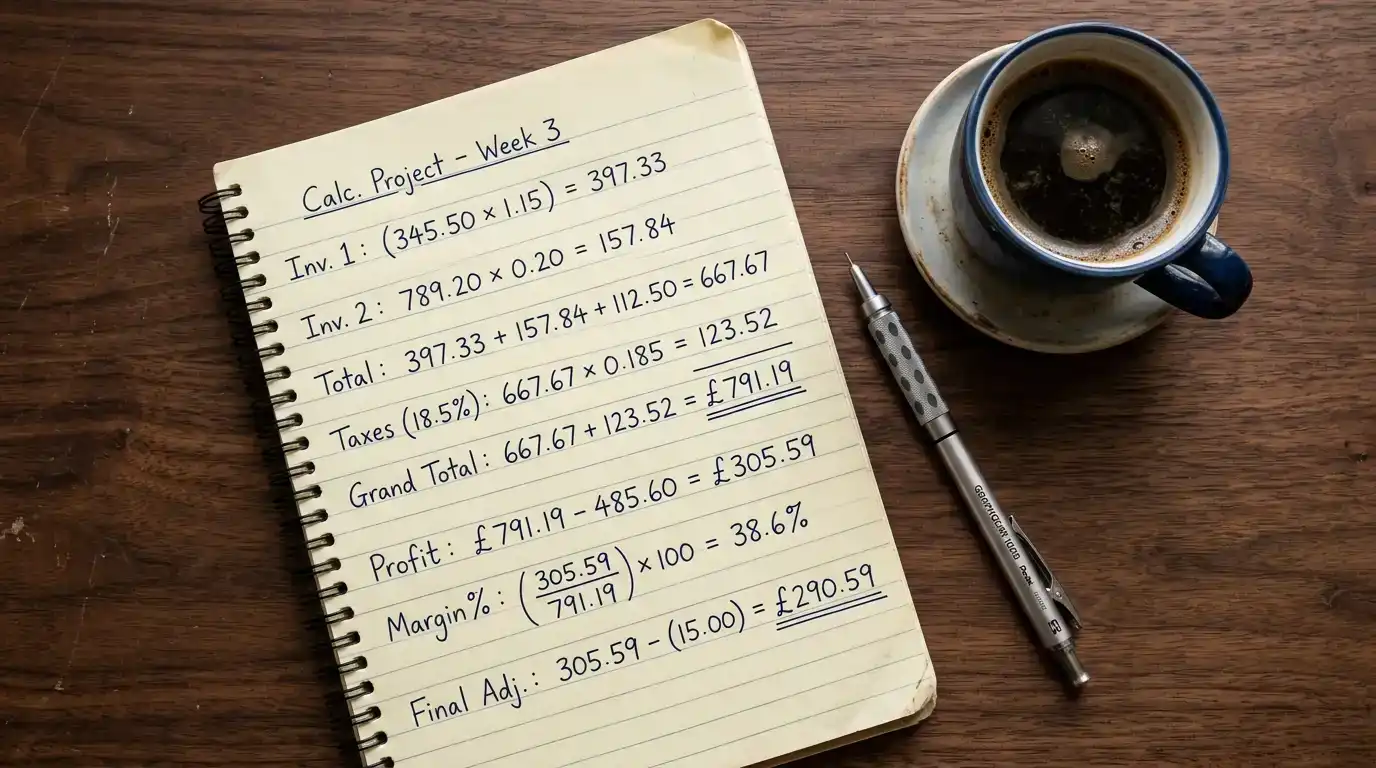
That calculation assumes 100% game weighting — meaning every pound wagered on slots counts fully toward the requirement. Roulette, blackjack, and other table games typically count at 10% or less, which means clearing the same requirement on those games would require £40,000 or more in wagers. The game-weighting table, maximum bet rules during active wagering, and time limits that trigger forfeiture are all critical details covered in the complete bonus guide.
The SOFTSWISS 2026 iGaming Trends Report noted a shift in what drives player acquisition: the dominance of influencer marketing dropped by 10 percentage points since 2023, with brand reputation and trust overtaking raw bonus size as deciding factors. In other words, the industry itself acknowledges that headline bonus numbers matter less than the terms attached to them. A £2,200 offer with x40 wagering is not inherently better or worse than a £500 offer with x20 — the maths, not the marketing, determines value.
Do
- Calculate the expected cost of clearing any bonus before you accept it — use the formula above with the actual match percentage and wagering multiple.
- Check which games contribute 100% to wagering and plan your play accordingly.
- Read the time limit for wagering completion — missing it typically forfeits both bonus and winnings.
Don’t
- Assume the headline bonus amount is money you can withdraw — it is a wagering obligation, not a gift.
- Activate a bonus code without reading the full terms — some bonuses lock your deposit until wagering is complete.
- Chase wagering completion by increasing stake sizes — this often violates maximum-bet rules and voids the bonus entirely.
6,000+ Games: Slot Selection, Live Dealers, and RTP Ranges
A library of 6,000 titles sounds vast until you realise that quantity and quality are different conversations entirely. I once audited a casino that advertised 8,000 games — and more than a third were re-skinned versions of the same mechanics with different artwork. The number on the marketing page is the starting point, not the conclusion.
Britsino’s game catalogue draws from over 50 providers, including studios like BGaming, Pragmatic Play, and Evolution. The slot selection spans standard video slots, Megaways variants, adventure-themed titles, and mythology-inspired games. Live casino is powered by providers such as Evolution and Ezugi, covering blackjack, roulette, baccarat, and game-show formats. That breadth of provider coverage is genuine — and it matters, because a diverse provider base generally means a wider range of RTP values, volatility profiles, and game mechanics.
The industry standard RTP for online video slots sits at approximately 96%, meaning that for every £100 wagered, the expected theoretical return is £96. Land-based slot machines, by comparison, typically offer 88% to 94%. Online slots are, on average, a measurably better deal — though “better” and “good” are not the same thing.

RTP — Return to Player — is one of the most misunderstood numbers in gambling. It describes a theoretical long-run average calculated over millions of spins, not a guarantee of what happens in your session. UK Gambling Commission data for Q1 2026 shows that the average online slot session lasted 15 minutes, involved 124 spins, and generated £3.82 in GGY per session. Over 124 spins, variance dominates — you might finish up 300% or down 100%, regardless of whether the game’s stated RTP is 94% or 97%. The RTP converges toward its published value only across a statistically significant sample, typically in the tens of thousands of spins. A full breakdown of how RTP and volatility interact — and what specific RTP ranges look like across Britsino’s slot library — is available in the slots and RTP analysis.
RTP (Return to Player) — the percentage of total money wagered on a slot that is expected to be paid back to players over time. A 96% RTP means a theoretical return of £96 per £100 wagered, calculated across millions of spins.
Volatility — a measure of how a slot’s payouts are distributed. Low volatility means frequent small wins; high volatility means rare but larger payouts. Two slots can share an identical RTP but deliver radically different session experiences based on their volatility profile.

Online slots generated £773 million in GGY during Q1 2026 across the regulated UK market, with the number of spins growing 7% year-on-year to 25.1 billion. Those figures reflect only UKGC-licensed operators — the offshore segment, including Britsino, sits outside those statistics entirely. What is notable is that Britsino operates without the £5 maximum stake for players aged 25 and over (or £2 for those aged 18 to 24) that UKGC-licensed slots have been subject to since 2025. Whether the absence of those caps is an advantage or a risk depends entirely on the player’s capacity for self-regulation — a topic I will return to in the responsible gambling section.
Payment Methods: Fiat, Crypto, and Withdrawal Timelines
The fastest way to judge an offshore casino’s infrastructure is not its game library or its bonus terms — it is the withdrawal process. I have deposited and withdrawn at dozens of operators over the years, and payment handling is where operational quality becomes undeniable.
Britsino supports a range of deposit methods spanning traditional bank cards, e-wallets, and cryptocurrencies. The minimum deposit is £20 across most methods. Fiat currency options include Visa, Mastercard, and a selection of e-wallet services. Crypto options cover Bitcoin, Ethereum, Litecoin, and Tether (USDT), along with several additional altcoins.
| Method Type | Minimum Deposit | Typical Withdrawal Time | Notes |
|---|---|---|---|
| Bank Card (Visa/MC) | £20 | 3 – 5 business days | Subject to KYC verification |
| E-Wallet | £20 | 24 – 48 hours | Faster processing than cards |
| Cryptocurrency | Varies by coin | Minutes to hours | No bank intermediary; blockchain fees apply |
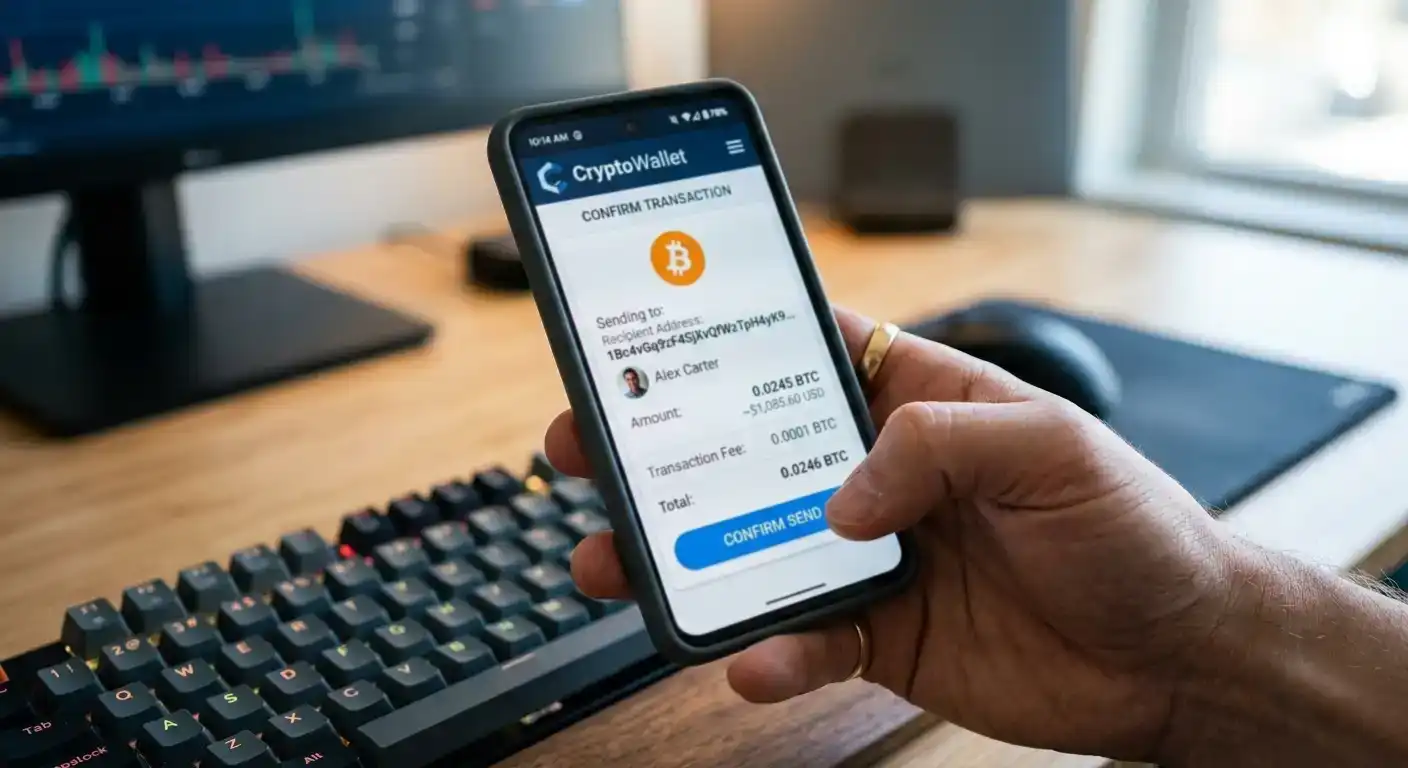
The crypto gambling segment is growing at a pace that makes these payment options more than a niche feature. The market is projected to exceed $65 billion by 2026, within a total iGaming market of $125 billion. Stablecoins — particularly USDT and USDC — now account for more than 50% of crypto wagers, which makes sense: stablecoins remove the price-volatility risk that makes Bitcoin deposits a gamble before you have even placed a bet. Bitcoin still dominates overall crypto gambling volume at approximately 66%, followed by Ethereum at 9% and Litecoin at 6%.
Stablecoin — a cryptocurrency pegged to a stable asset, typically the US dollar. USDT (Tether) and USDC are the most widely used in online gambling because their value does not fluctuate the way Bitcoin or Ethereum does.
Withdrawal processing at Britsino involves a pending period during which the operator reviews the request, followed by the actual transfer. KYC (Know Your Customer) verification — requiring identity documents and proof of address — is standard, though the timeline for completion can vary. Unlike UKGC-licensed operators, Britsino is not bound by regulatory requirements on maximum withdrawal processing times, which means delays are a contractual matter rather than a compliance one. A detailed walkthrough of each deposit and withdrawal method, including crypto-specific transaction flows, is available in the payment methods breakdown.
VIP Programme and Cashback: Loyalty Tiers Explained
Loyalty programmes in iGaming are engineered to do one thing: extend session duration. That is not cynicism — it is business logic, and the better you understand it, the clearer the value proposition becomes.
Britsino operates a tiered VIP programme with escalating benefits: higher cashback percentages, access to exclusive promotions, personal account managers at upper tiers, and tournament entry. The cashback component offers up to £200 per week, calculated on net losses. The gamification layer includes a loot-box system that awards random prizes as players progress through levels — a mechanic borrowed from the video-game industry and increasingly common across iGaming.
Britsino’s cashback programme offers up to £200 per week, calculated from net losses. The exact percentage and cap depend on your VIP tier. Cashback terms — whether returns are credited as withdrawable cash or bonus funds with wagering — vary by tier and should be verified in the operator’s current terms before relying on them.
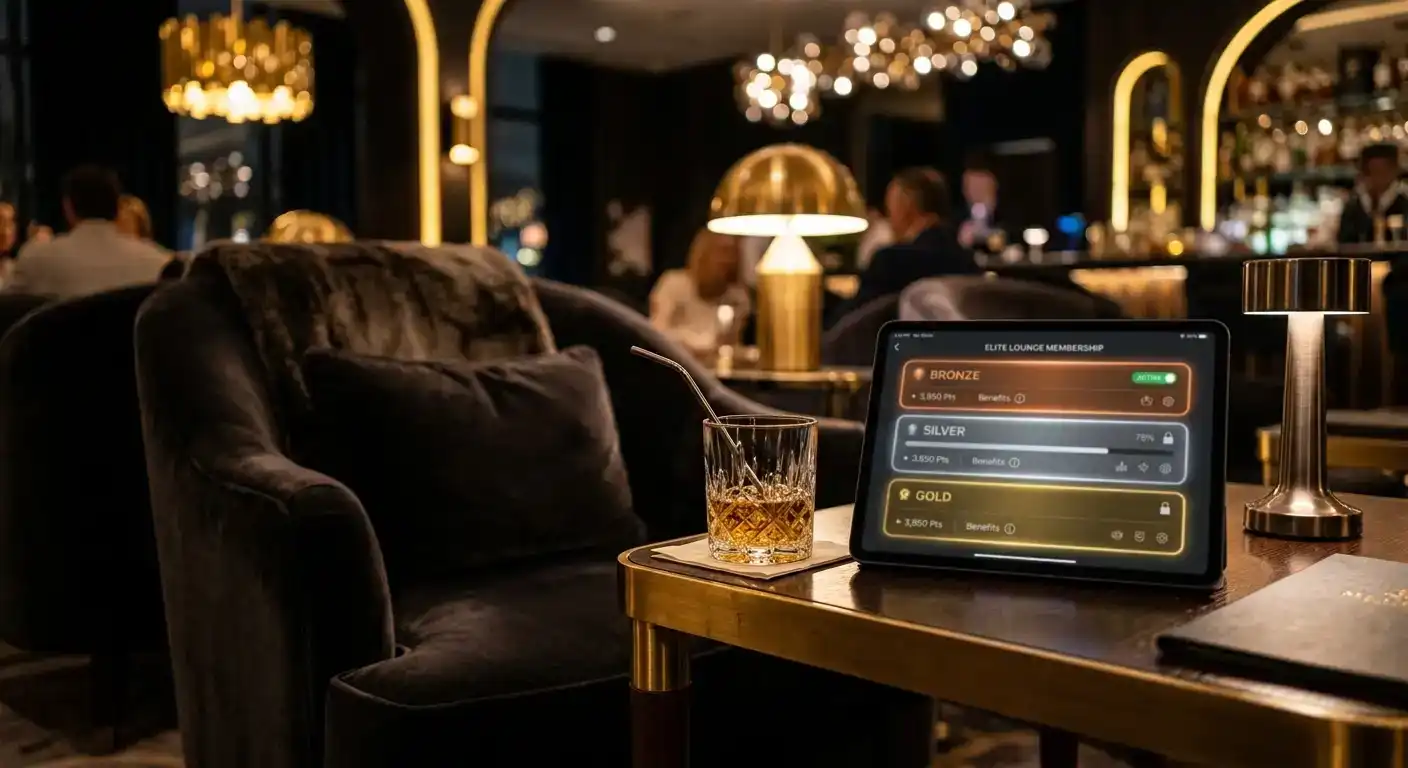
The perceived importance of AI in iGaming reached 8.41 out of 10 in 2025, up from 8.15 the previous year, with 56% of surveyed companies naming AI integration as a top-three business priority. Part of that AI adoption is player-facing: personalised bonus offers, adaptive loyalty rewards, and engagement mechanics that respond to individual playing patterns. The gamification elements at Britsino — loot boxes, progress bars, tier advancement — sit within this broader trend, though the operator does not publicly disclose whether AI drives its loyalty personalisation.
The full tier structure, progression requirements, cashback calculation method, and tournament access rules are covered in the VIP programme analysis. What matters at the overview level is this: a loyalty programme’s value depends entirely on the volume of play required to unlock meaningful benefits. If reaching the cashback cap requires losses that exceed the cashback itself — which is arithmetically common — the programme functions as a retention tool for the operator, not a financial benefit for the player.
Mobile Experience: Browser Play vs. Downloadable App
When I test a casino’s mobile experience, I do not start with the game library — I start with the deposit flow. If I cannot fund an account in under 90 seconds on a phone screen, the rest of the mobile experience is academic. Britsino passes that baseline test, but the details are more nuanced.
Smartphone penetration in the UK reached 89.77% in 2023 and is forecast to hit 96.83% by 2028. Mobile betting is projected to account for 80% of all crypto gambling by 2026. In that environment, a casino without a competent mobile experience is a casino without a future. Britsino offers two paths: a browser-based mobile site and a downloadable app.
The browser experience is responsive — the site adapts to screen dimensions without requiring a dedicated app installation. Slot loading times are comparable to what I have seen on other HTML5-based casino platforms, and the core navigation elements (account, cashier, game categories) are accessible without excessive scrolling. The live dealer section functions on mobile, though smaller screens inevitably compress the interface.

The downloadable app adds convenience features — faster loading, push notifications, persistent login — but introduces its own considerations. It is not available through official app stores (Apple’s App Store and Google Play both restrict real-money gambling apps from non-licensed operators in most jurisdictions), which means installation requires sideloading on Android or a web-based workaround. That distribution method is standard for offshore operators, but it does bypass the security review process that app-store distribution provides.
Feature parity between desktop and mobile is broadly maintained. The full game library is accessible, payment methods function identically, and account management tools (including deposit limits and session controls) are available on both platforms. The primary gap is visual — complex table layouts, comparison screens, and multi-window live dealer views are less practical on a 6-inch display than on a 15-inch laptop.
Customer Support: Live Chat, Email, and Response Quality
I once waited 47 minutes for a live-chat agent at an offshore casino that advertised “24/7 instant support.” Since then, I test every operator’s chat response time before I write a word about their service quality. Britsino performs better than most in this department — though “better than most offshore operators” is a low bar to clear.
The primary support channel is a live chat widget accessible from every page of the site. Based on tests reported by multiple independent reviewers, connection to a human agent typically occurs within 60 seconds. That is fast by offshore standards and competitive even with some UKGC-licensed operators. The agents handle routine queries — bonus terms, withdrawal status, account verification — with reasonable competence.
Email support is available as a secondary channel, though response times are less predictable. There is no telephone support — a common omission among offshore operators, and one that matters most when a dispute escalates beyond what a chat agent can resolve.
That last point deserves emphasis. At a UKGC-licensed casino, unresolved complaints can be escalated to an approved Alternative Dispute Resolution (ADR) provider, and ultimately to the Gambling Commission itself. At Britsino, neither of those escalation paths exists. If the operator’s internal support team cannot or will not resolve your issue, your practical recourse is limited to the operator’s own complaints process — and whatever mechanisms the Curaçao Gaming Authority may offer, assuming the licence is valid and active. This is not a theoretical risk; it is the most consequential difference between playing at a regulated site and an offshore one.
Responsible Gambling at Britsino: Tools, Limits, and the Bigger Picture
I hesitated before writing this section. Not because the data is uncertain — it is well-documented — but because responsible gambling sections in casino reviews are typically afterthoughts: a paragraph of boilerplate, a helpline number, and a move to the next topic. The statistics demand more than that.
2.7% of UK adults are classified as problem gamblers according to the Gambling Survey for Great Britain. Among 18-to-24-year-olds, 21.9% scored between 1 and 27 on the Problem Gambling Severity Index, with 5.3% in the highest-risk category. Public Health England estimates approximately 400 gambling-related suicides annually in England alone.

Those are not abstract figures. The NHS recorded a doubling of referrals for gambling addiction treatment: 1,914 referrals in the most recent six-month reporting period, compared to 836 in the equivalent period of 2023. As of December 2024, 15 specialised NHS gambling clinics were operational. NHS England and the National Gambling Treatment Service have documented that patients presenting at specialist clinics typically carry substantial gambling-related debt; the most recent published figures and year-on-year referral changes should be confirmed against the latest NHS / GambleAware annual review. Ninety-six percent of people diagnosed with gambling disorder have at least one co-occurring mental health condition; more than 60% have three or more. The Department of Health and Social Care estimates the direct financial cost of problem gambling to the state at £412.9 million annually, with broader social health costs ranging from £635 million to £1.36 billion.
Against that backdrop, the question of what responsible gambling tools Britsino provides is not a footnote — it is central to any assessment of the operator. Britsino offers deposit limits, session time reminders, and account self-exclusion options. These are player-initiated controls: you set them yourself, and the operator is expected to enforce them. At UKGC-licensed sites, these tools are mandated by regulation, subject to audit, and backed by the GamStop national self-exclusion scheme. At Britsino, they exist at the operator’s discretion.
Andrew Rhodes, the outgoing CEO of the UK Gambling Commission, reflected on the Commission’s trajectory by noting his pride in “the progress we have made to strengthen regulation, improve consumer protections, and ensure gambling is safer and fairer.” That progress — stake limits, affordability checks, enhanced self-exclusion — applies exclusively to licensed operators. Britsino sits outside that framework. The practical difference is stark: a player who has self-excluded through GamStop can still register at Britsino, because Britsino does not participate in GamStop. For someone in the grip of a gambling disorder, the absence of that barrier is not a feature.
Britsino offers basic responsible gambling tools (deposit limits, session reminders, self-exclusion), but none of them carry the regulatory enforcement that UKGC-licensed operators are subject to. The GamStop self-exclusion scheme does not apply. For players with any history of problem gambling, this is the single most important factor in evaluating the operator.
Only 61% of patients completed their planned gambling addiction treatment programme over the 2021-to-2025 period — down from 68% previously. The treatment infrastructure is stretched. When an operator sits outside the regulatory system that funds and supports that infrastructure, the gap between “tools available” and “protections enforced” becomes a matter of genuine consequence.
Non-GamStop Casinos and the £16.6 Billion Black Market
The UK’s unlicensed gambling market grew to an estimated £16.6 billion in 2025 — roughly three times its 2019 level. That figure is approximately equal to the total GGY of the entire licensed industry.
That number stopped me the first time I saw it. An unlicensed market nearly the size of the licensed one is not a marginal enforcement problem — it is a parallel industry. Britsino exists within that ecosystem, alongside hundreds of other operators that market to UK players without UKGC authorisation.
The Gambling Commission has not been passive. Between April and December 2025, the regulator issued 592 cease-and-desist orders, referred approximately 328,000 URLs for removal from search engines, achieved the removal of more than 203,000 links, and secured the closure or geo-blocking of 627 websites. Over the full 2025-26 financial year, the Commission issued 741 cease-and-desist orders to operators and advertisers of unlicensed gambling. Tim Miller, Executive Director at the Commission, addressed misinformation about financial risk assessments head-on, noting that “there has been a lot of recent commentary about financial risk assessments and sadly much of it has been ill-informed or inaccurate.” The Commission also received £26 million in dedicated funding over three years specifically for combating illegal gambling.

Andrew Rhodes, speaking at ICE 2025, framed the international dimension clearly: “Respectable regulators around the world all want the same thing — illegal gambling to stop, which is why we are sharing information to help them as well as us.” That cross-border cooperation is increasingly relevant as the Curaçao CGA reform creates new obligations for operators previously shielded by the old master-licence system.
The player migration dynamic is real and documented. PwC’s 2025 report for the Betting and Gaming Council (“Impact of the taxation and regulatory environment on European online betting and gaming markets”) observed that high-value customers — who generate roughly 80% of stakes — are particularly sensitive to friction and are the most likely to migrate offshore when regulated products become less attractive. That finding illustrates the tension: tighter regulation at licensed operators creates demand that unlicensed operators like Britsino are positioned to absorb.
None of this makes playing at an unlicensed operator “safe” or “unsafe” in absolute terms. What it does is place Britsino in its proper context: one operator within a £16.6 billion market segment that the UK regulator is actively working to contain, using tools that range from URL takedowns to international regulatory cooperation. Whether that containment effort reaches Britsino specifically is an open question — but the direction of regulatory travel is unmistakable.
With the market context, licence status, and regulatory landscape covered, the remaining question is straightforward: who is this operator actually for?
Final Verdict: Who Should — and Should Not — Play at Britsino
Having reviewed every aspect of this operator — from its disputed licence to its wagering maths to its position in a £16.6 billion unlicensed market — I find that the most honest thing a reviewer can do is resist the impulse to deliver a clean verdict. Britsino Casino is not a simple pass-or-fail proposition — it is a set of trade-offs, and the right answer depends on who is asking.
The operator offers a large game library from reputable providers, a functional mobile experience, responsive live chat, and payment flexibility that includes cryptocurrency. Those are genuine strengths, and they explain why the site attracts traffic from UK players who feel constrained by the increasingly tight regulatory environment at UKGC-licensed operators.
The weaknesses are equally real. The licence situation is ambiguous at best. There is no UKGC oversight, no GamStop participation, no access to IBAS dispute resolution, and no mandatory player-fund segregation. The x40 wagering requirement on the welcome bonus is, as the calculation above demonstrated, a net-negative proposition at standard RTP levels. The responsible gambling tools are voluntary and unaudited. The Casino.Guru Safety Index of 6.4 out of 10 (retrieved June 2026) places Britsino below the average even for Curaçao-licensed operators.

Sarah Gardner, the interim CEO of the Gambling Commission, struck a note worth repeating: “Working together, rather than retreating to the entrenchments, means we can build a shared understanding instead of creating mistrust.” That philosophy — collaboration between regulators and operators — describes the system Britsino exists outside of.
Britsino may suit players who
- Understand and accept the absence of UKGC protections, including dispute resolution and player-fund segregation.
- Are experienced with offshore operators and have independently verified the licence status.
- Use cryptocurrency and prefer the transaction speed and privacy it offers.
- Are not subject to GamStop self-exclusion and have no history of problem gambling.
Britsino is not appropriate for players who
- Have any history of problem gambling or are currently self-excluded through GamStop.
- Rely on regulatory protections for dispute resolution or fund security.
- Are new to online gambling and unfamiliar with the differences between licensed and unlicensed operators.
- Cannot afford to lose their deposit without recourse to a regulated complaints process.
Britsino Casino operates in a regulatory grey zone that offers freedom from UKGC restrictions alongside freedom from UKGC protections. Every perceived advantage — no stake limits, no affordability checks, no GamStop — is also the absence of a safeguard. The decision to play here is a risk assessment, and it should be made with full awareness of what is gained and what is given up.
Frequently Asked Questions About Britsino Casino
Is Britsino Casino legal and safe for UK players?
Britsino does not hold a UK Gambling Commission licence, which means it is not authorised to offer gambling services to UK residents under the Gambling Act 2005. UK law primarily targets operators rather than individual players, but the absence of a UKGC licence removes key protections: there is no access to ADR (Alternative Dispute Resolution), no mandatory segregation of player funds, and no GamStop self-exclusion coverage. The Casino.Guru Safety Index rates Britsino at 6.4 out of 10 (retrieved June 2026) — below the average for offshore operators in its licensing tier. Whether the operator is “safe” depends on your definition: it uses SSL encryption and offers basic account security, but it lacks the regulatory oversight that UKGC licensees are subject to.
What is the Britsino Casino welcome bonus and what are the wagering requirements?
The welcome package offers up to £2,200 in matched deposits plus free spins, distributed across four deposits using the promo codes ALBION, CAMDEN, HAMPSTE, and BLOOMSB. The wagering requirement is x40 on the bonus amount. At an average slot RTP of 96%, the expected cost of clearing a x40 wagering requirement typically exceeds the value of the bonus itself. For example, a £100 bonus requires £4,000 in wagers, with an expected loss of £160 — more than the bonus is worth in net terms.
Does Britsino Casino accept cryptocurrency deposits?
Britsino accepts Bitcoin, Ethereum, Litecoin, Tether (USDT), and several additional cryptocurrencies. Crypto deposits are typically processed faster than fiat methods, and withdrawals bypass traditional banking intermediaries. Stablecoins like USDT are worth considering because they avoid the price volatility that can erode or inflate the value of a Bitcoin deposit between the time you fund your account and the time you withdraw.
How long does a Britsino Casino withdrawal take?
Withdrawal times vary by method. Cryptocurrency withdrawals can process within minutes to hours once approved. E-wallet withdrawals typically take 24 to 48 hours. Bank card withdrawals may require 3 to 5 business days. All withdrawals are subject to an internal pending period and KYC verification, which can add additional time — particularly for first withdrawals. Unlike UKGC-licensed operators, Britsino is not bound by regulatory requirements on maximum processing times.
Why is Britsino Casino not on GamStop?
GamStop is a self-exclusion scheme that covers operators licensed by the UK Gambling Commission. Britsino does not hold a UKGC licence, so it has no obligation — and no mechanism — to participate in GamStop. This means players who have self-excluded through GamStop can still register and deposit at Britsino. For anyone who has used GamStop as a protective measure, this gap is significant and should be treated seriously.
What RTP do Britsino Casino slots offer?
RTP values at Britsino depend on the individual slot and its provider. The industry standard for online video slots is approximately 96%, with a typical range of 92% to 98%. Britsino hosts slots from over 50 providers, and RTP values vary by title. Critically, RTP is a long-term statistical measure — it describes expected returns over millions of spins, not the outcome of any individual session. Always check the RTP listed within a specific slot’s information screen, and be aware that some providers offer adjustable RTP settings that operators can configure.
Does Britsino Casino have a mobile app?
Britsino offers both a browser-based mobile site and a downloadable app. The browser version works across iOS and Android without installation. The downloadable app is not available through official app stores (Apple and Google restrict real-money gambling apps from unlicensed operators), so installation requires sideloading on Android or a web-based workaround. Both versions provide access to the full game library, payment methods, and account management tools.
Published by the Britsino Casino team.